Category: Assignment #2 – Content thinking, headlines and applications

this category is for assignment #2 of ADV 421.

  • Question 4 – Part B

    4. Second-Year Course Headline (4 marks) 

    Create one headline promoting second-year digital courses in this program, targeted to first-year students.

    You must provide:

    a) Provide the headline 

    b) Explain your reasoning clearly using class content 

    Headline: Digital is the new wave, learn more about digital design and better your skills

    This headline is worded in plain language to meet the intended audience on their level. Simple and common words are used to avoid confusing or overwhelming readers. The headline is concise and straightforward, clearly stating what the article promises. The headline creates intrigue by encouraging readers to “read more”.

  • Question 3 – Part B

    3. SCC Advertising Program Headline (6 marks) 

    Create one headline for an article about the SCC Advertising Program, targeted to local graduating high school students. 

    You must provide: 

    a) The headline 

    b) An explanation of the information missing from the instructions 

    c) A detailed justification for your headline choice based on course concepts 

    You are intentionally not being told what questions to ask.

    Headline: 17 high-paying jobs you can get after taking the St. Clair ADV program

    The instructions of this question were to create a headline for the SCC ADV program, targeting local high school graduates. With this in mind, I need to speak to my audience, my audience being high school graduates within the Windsor-Essex area. With the audience defined, I then need to speak clearly to them in a way they can understand. Using plain language is important for this step so as not to confuse or overwhelm readers with big words. Once I know who I’m talking to and how to talk to them, I can structure the headline. This headline utilizes a number. As previously stated,d numbers draw attention and increase click-through rates. The headline is also concise and promises something specific. The headline creates intrigue for the target audience because it directly applies to them and promises useful information to the reader.

  • Question 2 – Part B

    2. Headline Intent vs Outcome (4 Marks)

    Choose one headline you created in Part B, Q#1 Part B and answer the following: 

    a) What is the primary intent of this headline? (e.g. curiosity, urgency, clarity, relevance, emotional pull) 

    b) What action or response is the headline designed to trigger? 

    c) Explain why this intent is appropriate for the target audience you selected.

    Using the second headline from question 1, part B: Are you a lonely man? Here are reasons as to why that might be: the primary intent of this headline is curiosity. The headline is posed as a question, provoking the thoughts of the reader and making them think of what is being asked. The response this headline is meant to trigger is an answer to the question being posed. The headline makes the intended audience reflect on their own personal experience and come to their own conclusion. This intent is appropriate for the target audience because the topic is very specific and likely applies to the reader, the reader being a male who is potentially lonely. The headline calls to these men and makes them reflect on their personal experience.

  • Question 1 – Part B

    1. Headline Variation (12 marks)

    Using the article from Part A, Question #1, you are to create three (3) different headlines. Each headline must emphasize a different headline element discussed in class. (3X4=12 Marks) 

    For each headline:

    a) Include the Headline 

    b) Explain your reasoning 

    c) Reference specific class concepts

    Headline 1: 27 men shed light on why they are lonely, male loneliness epidemic

    The first headline rewrite uses the specific number. Specific numbers increase click-through rates because it intrigues people. People are drawn to the numbers, especially the number 7, therefor including it at the beginning of the headline is likely to draw attention and get people to click. The headline is condensed and explains exactly what the article provides and delivers. 

    Headline 2: Are you a lonely man? Here are reason as to why that might be

    This next headline speaks directly to who the target audience is. This headline utilizes the flagging technique, speaking directly to the reader. This increases engagement because it seems as though the article is talking directly to whoever the reader is. This headline talks to the audience and sparks up a conversation, getting readers invested to the point where if they click, they are likely engage further by leaving a comment. This headline is structured like a question, prompting viewers to think about what is being asked and piquing their interest. This will then require the viewer to click on the article to satisfy their curiosity.

    Headline 3: Male loneliness epidemic, why are men so damn sad

    This headline is ultra-specific and straightforward. The headline states clearly what the article contains. The headline is condensed and doesn’t mislead readers about its content. This is important because viewers won’t respond well to being told a lie. The headline is unique and creates an emotional appeal. The emphasis on the second half of the headline draws attention by flaring emotions on the topic; the use of the word “damn” creates this emotional flare-up, making readers believe that the topic being discussed is important and requires the reader’s attention.
  • Question 3 – Part A

    3. Click Motivation (8 marks) 

    a) Provide a different headline you recently clicked on. 

    b) Include the exact headline and a screenshot

    c) Explain why you clicked it, not why you liked it 

    d) Tie your reasoning directly to course concepts 

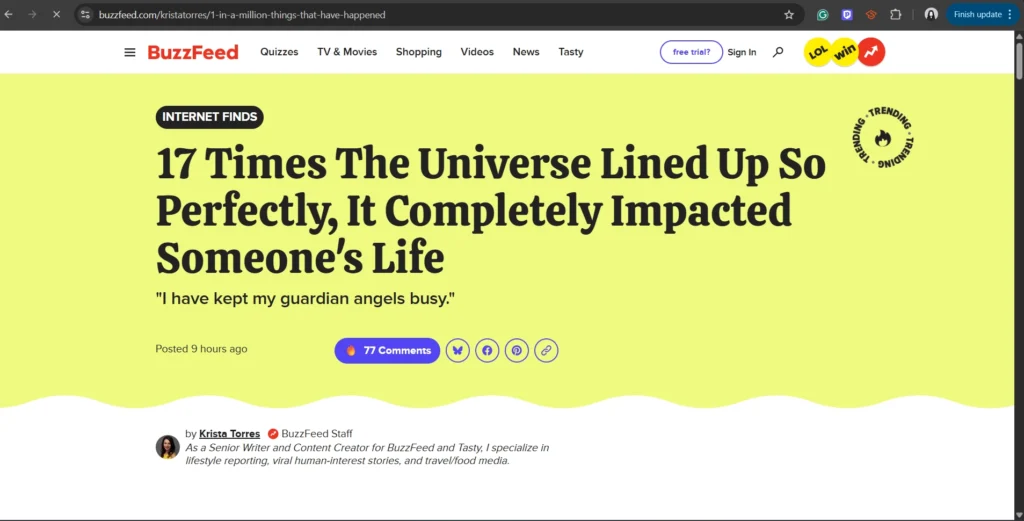
    Headline:

    The first thing that attracted me to this headline is the number. The headline features the number 17, a very specific number. Numbers in headlines are proven to increase click-through rates. Another reason I clicked it is that it is shorter and more straightforward compared to the previous headline. Compared to the previous headline, it is not as unique and doesn’t have any particular personality to it. The headline also does well at staying specific and relevant to its topic. The headline is not misleading and tells the reader exactly what the article contains.

    This must be a different headline than Question #1 

  • Question 2 – Part A

    2. Accuracy & Representation (4 marks) 

    Was the headline in Question #1 an accurate representation of the article content? 

    a) Explain your reasoning clearly 

    b) Reference course discussion on misleading vs effective headlines

    The headline is an accurate representation of the article because the content of the article states that men are giving reasons as to why they are lonely, and the content within the article confirms this. The article contains various perspectives from men on Reddit explaining why they aren’t in meaningful relationships. The headline Reels in the audience and provides exactly what it promises.

  • Question 1 – Part A

    1. Headline Resonance (6 marks) 

    Find one (1) headline you recently encountered that you felt was effective. 

    a) Provide the exact headline 

    b) Explain why it resonated with you 

    c) Tie your explanation directly to specific headline elements discussed in class

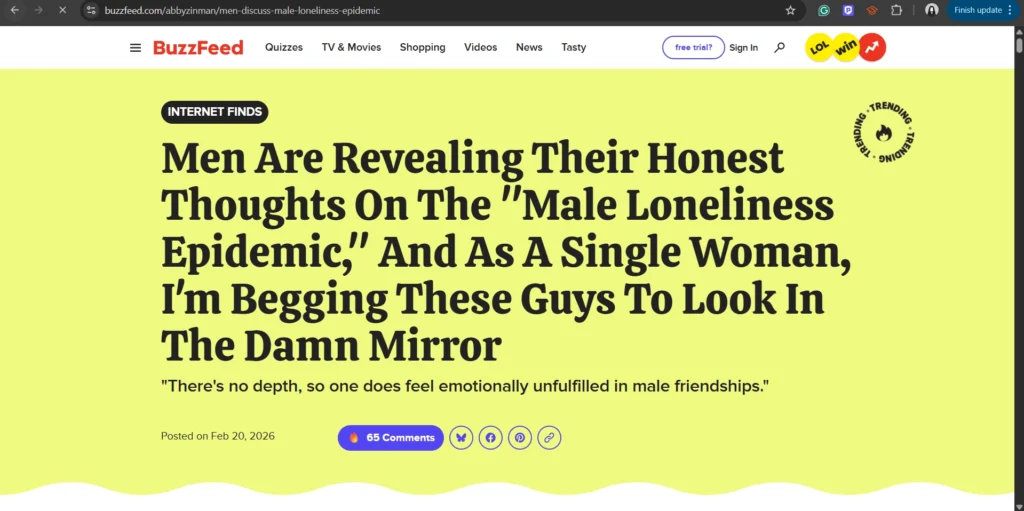
    Headline:

    This headline resonated with me because it talks about a topic that I have been hearing about on other platforms. This is the main reason that it caught my eye. The headline, all though its wordy, is unique, and I believe it might contain the personality of the person who wrote it based on the last part of the headline. It’s specific in its topic and is intriguing. The headline of this article is straightforward, telling the reader exactly what is in store for them.  Another thing I noticed is that the article flags the reader. The article is most likely talking to men and asks men to explain themselves, prompting male readers to think about the topic of discussion, reflect on their personal lives and experiences, and come to their own conclusions for themselves.